
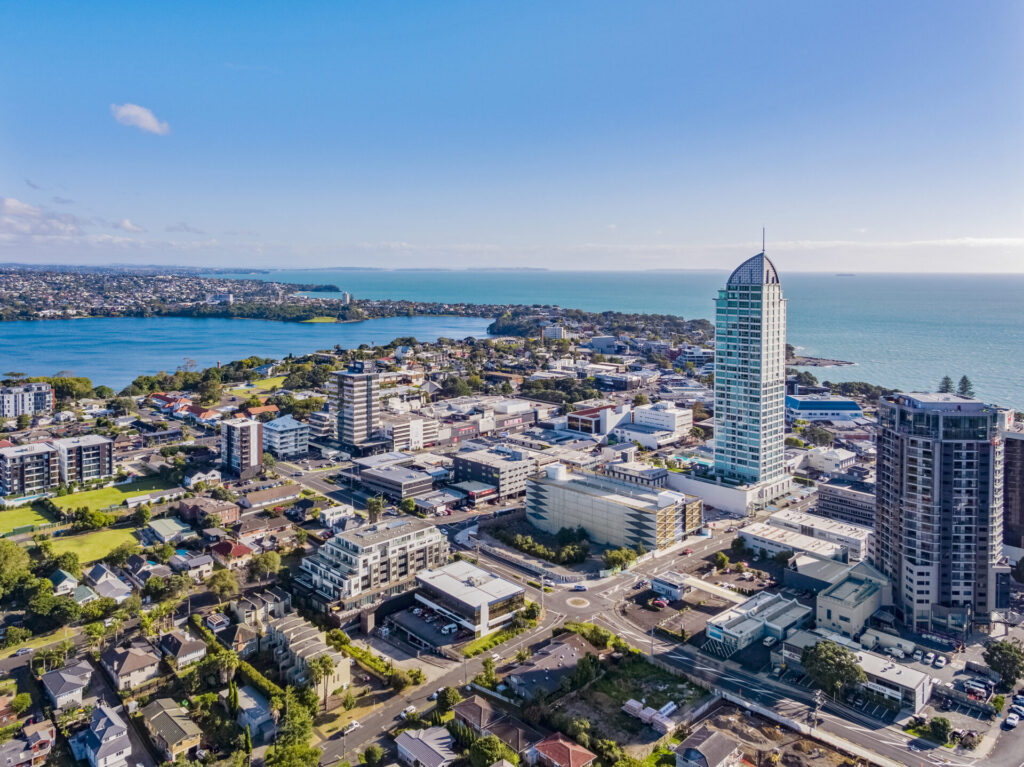
Takapuna proves that when you care for the local environment and those working within it, the local economy takes care of itself.
As we edge closer to November’s general election, New Zealand finds itself navigating an increasingly volatile and unforgiving economic cycle.
You only need to walk down any main street to see the symptoms written clearly on the faces of our business community. While overall inflation metrics keep aggregate spending numbers superficially afloat, discretionary spending on local high-street retail is down sharply, the housing market has flattened out, and a sudden surge in global energy costs has caused economic confidence to tumble.
For small and medium-sized enterprise (SME) owners, it feels less like a typical downturn and more like a daily battle for basic survival.
With political debate heating up, we’re hearing plenty about macroeconomics, high-level fiscal targets and multimillion-dollar corporate packages. But we’re hearing far too little about the real engine room of New Zealand’s economy – the SMEs that make up more than 97% of all businesses in this country.
Our small businesses are the backbone of our communities. They collectively stand as our nation’s largest employer. If our local businesses fail, our communities fail, damaging the entire economic and social fabric of our country.

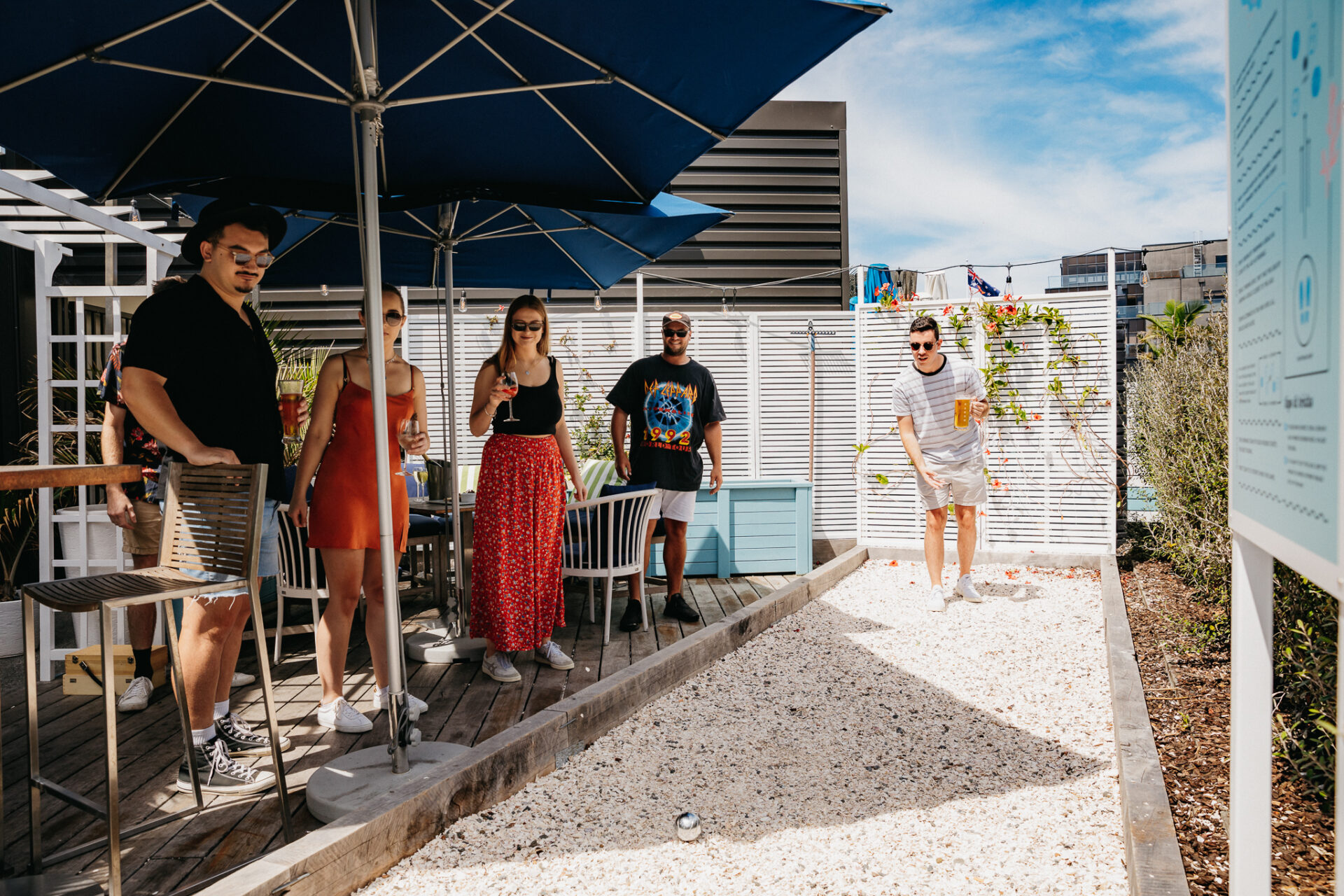

As political parties pitch their competing visions for our future, their platforms must move beyond well-meaning lip service. We need concrete commitments focused on two critical pillars: reinforcing the internal resilience of our small businesses and investing heavily in the local environments where they operate.
Pillar 1: strengthening SME resilience
The first order of business for any incoming Government must be creating a fairer, more responsive tax and compliance framework. When global disruptions squeeze margins, liquidity – cash flow – is absolutely everything; when money dries up, business operations grind to a halt.
Political leaders can immediately bolster SME resilience by implementing a series of targeted, practical measures:
- Lifting provisional tax thresholds: we need to increase these thresholds to keep working capital within the business where it belongs, rather than letting it sit idle with the Inland Revenue Department. This simple tweak would immediately boost vital daily liquidity.
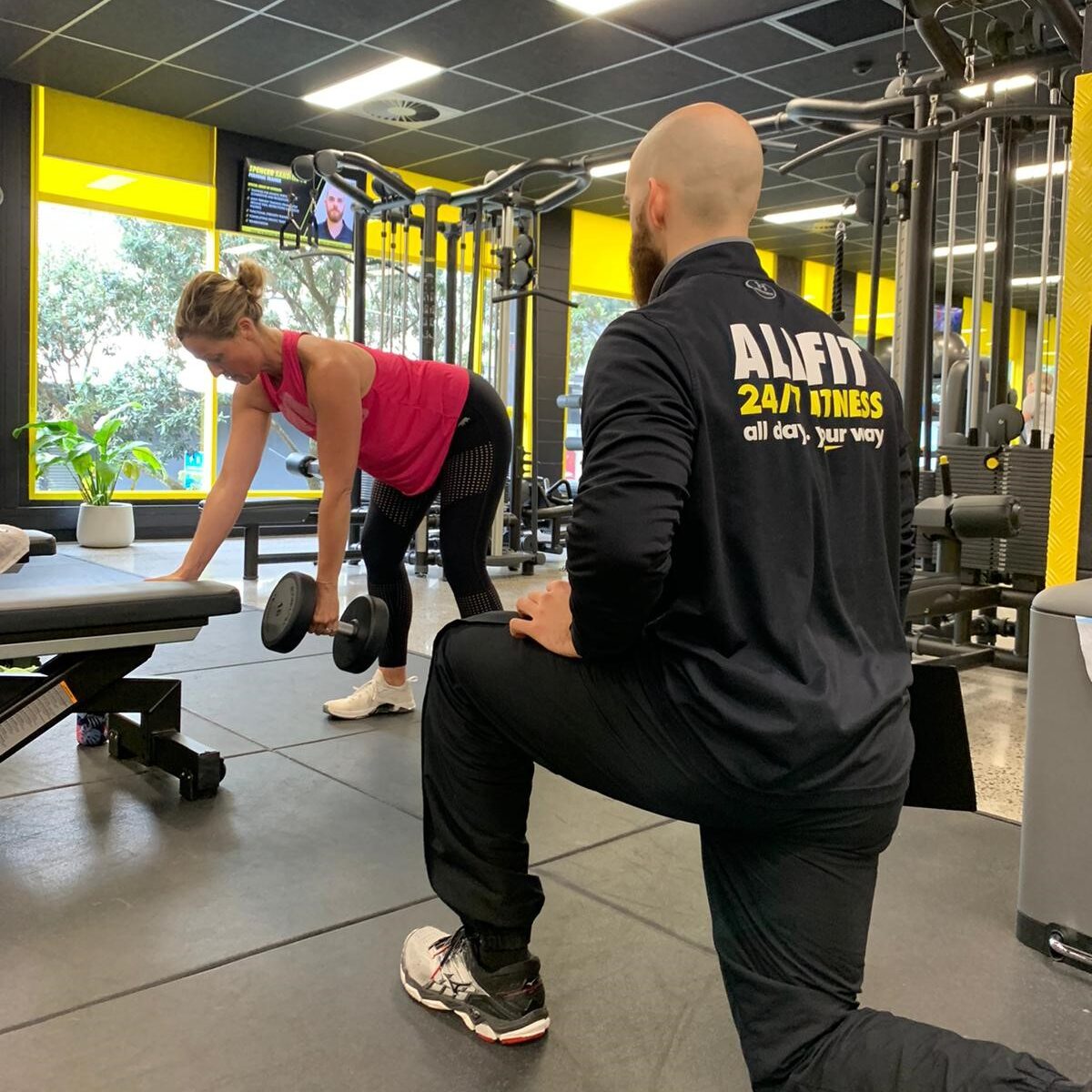
- Fringe benefit tax exemptions for wellness: staff retention is difficult right now, and teams are feeling the strain. Businesses should be allowed to support their employees with wellness “perks”, such as gym memberships or dining vouchers, to improve morale and retention without being penalised by compliance hurdles and tax penalties. This would also boost spending with local wellness businesses, returning money to the community economy, and create and maintain a healthier and happier workforce.
- The Government needs to consider temporary tax suspensions or rebates on commercial fuel and electricity costs. Energy and fuel cost relief: recent global supply shocks have sent fuel prices surging at the pump, as well as increasing local electricity costs.

- The Government needs to consider temporary tax suspensions or rebates on commercial fuel and electricity costs to help shield businesses from the volatility.
- Accessible R&D tax credits: research and development shouldn’t be a playground reserved strictly for large corporates. Introducing tax credits for small businesses that actively reinvest profits into growing their own operations would make innovation genuinely accessible to all business owners.
- Accelerating digital and artificial intelligence (AI) adoption: small businesses must find efficiencies to survive high and increasing operational costs. The Government could support this through funded digital training in AI or by providing microgrants of up to $5000 to help business owners implement automation.
- A national SME wellbeing programme: the mental load carried by business owners and directors right now is immense. They are managing declining revenue while trying to keep staff employed and roofs over their own families’ heads. When a founder breaks, the business breaks, often leading to total failure. We need mental health resources directly aimed at and delivered to SME owners to help them survive these tough times.
Pillar 2: supporting the local environments where we operate
The second pillar requires a fundamental shift in how we view local commerce. Small businesses do not exist in a vacuum; they rely on vibrant, attractive and accessible physical spaces that give people a compelling reason to leave their homes and spend locally.
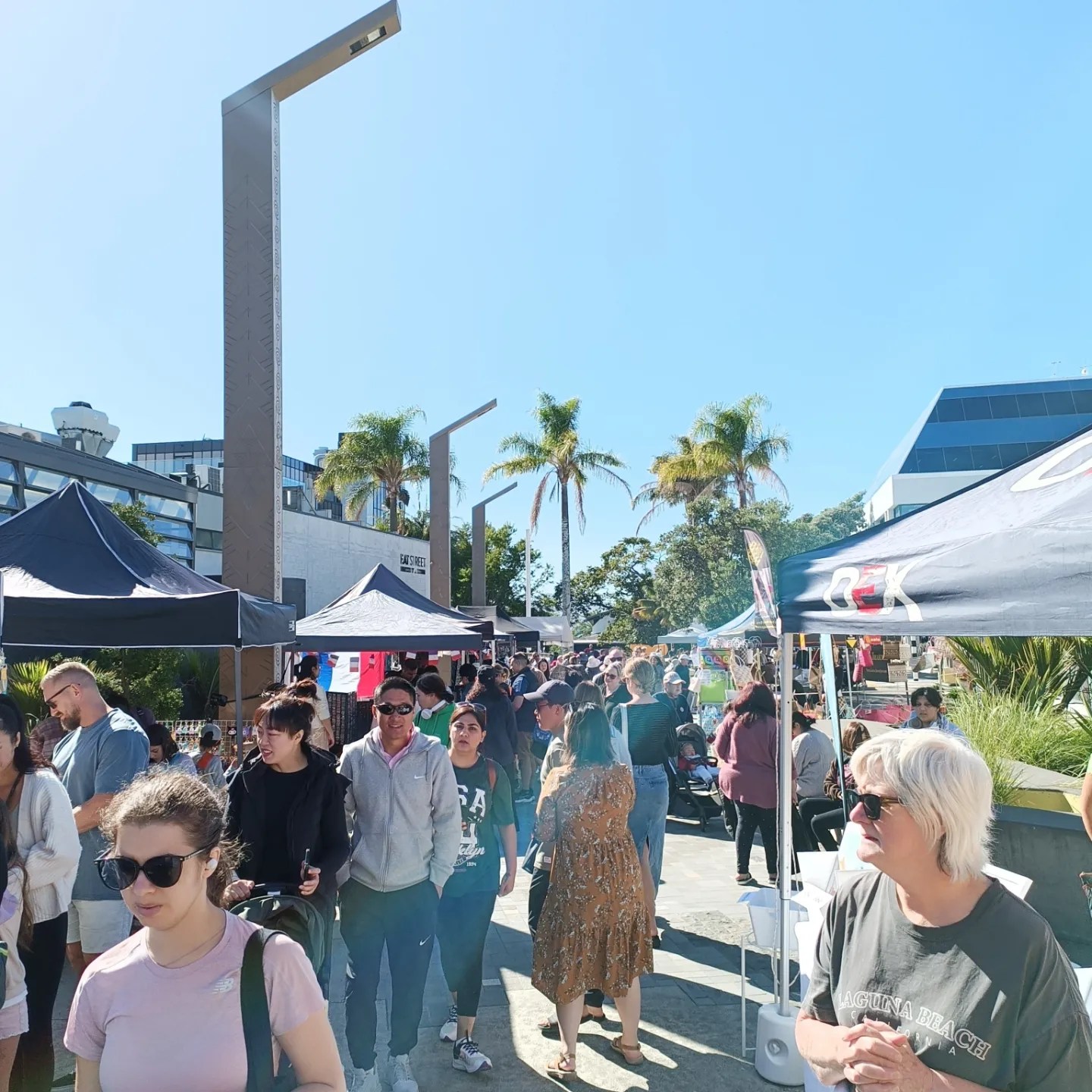
Instead of pouring all our tourism, cultural and event funding into massive, centralised regional events that benefit only a few select players (eg the $3m given to Robbie Williams!), the Government should decentralise event funding. Allocating resources to community-led initiatives drives regional foot traffic and local spending, pushing support out to where it’s needed most and directly supporting the local businesses who support the event.
We also need a dedicated, co-funded Town Centre Revitalisation Fund. By partnering with local business communities and councils to invest directly in essential infrastructure – such as upgraded lighting, parking and streetscapes – we can transform standard shopping strips into thriving destinations where people actually want to spend time and money.
We already know this model works because we have seen it happen, right here in Takapuna.
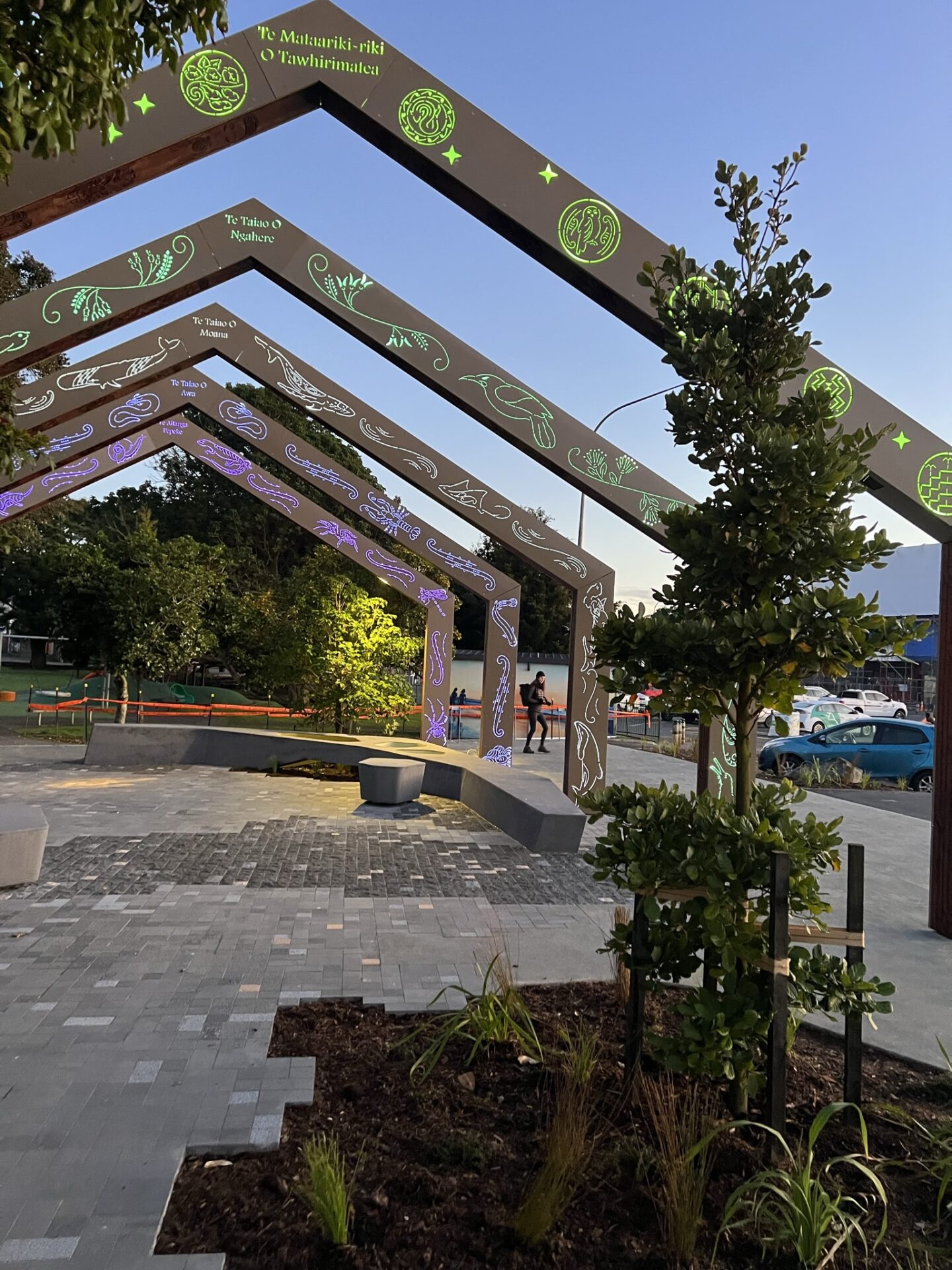
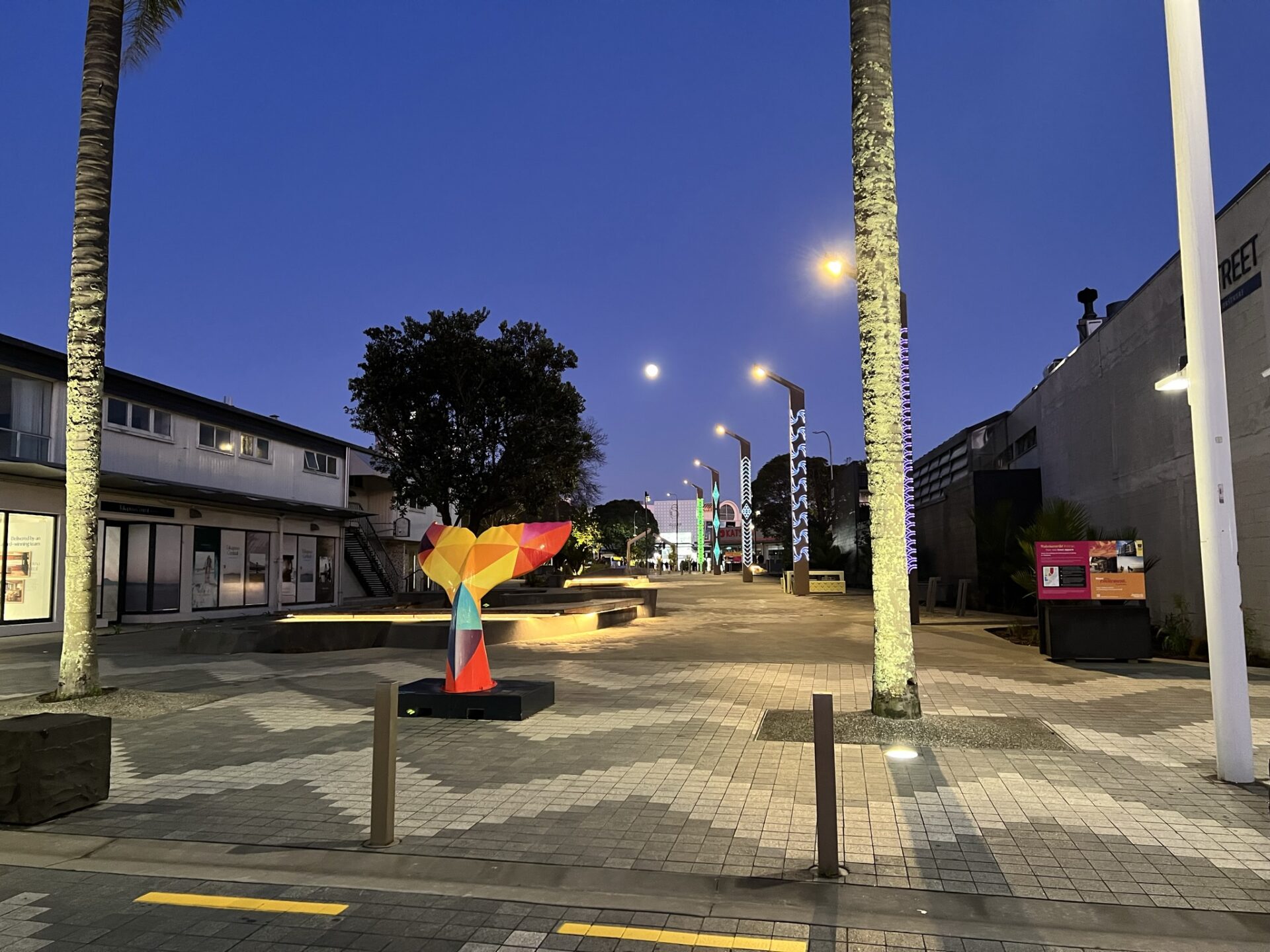

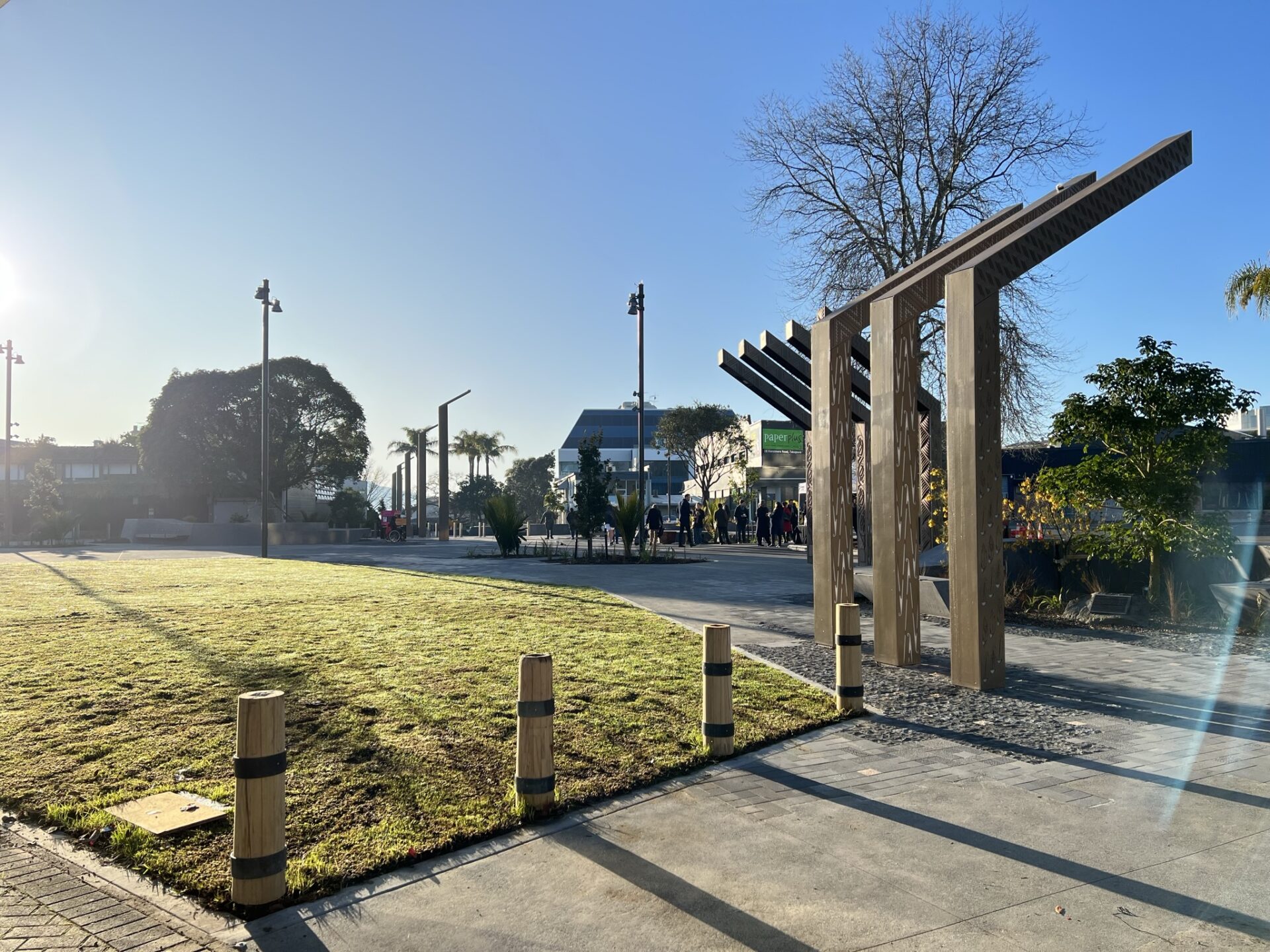

Through strategic infrastructure upgrades, a reimagined public layout, improved parking and fresh streetscapes, Takapuna has successfully increased consumer dwell time. Combined with a sustained, deliberate programme of local events, we have also driven consistent visitation and spending directly into our shops, generating positive vibes among our communities and supporting hundreds of businesses along the way.
Takapuna proves a universal truth: when you care for the local environment and those working within it, the local economy takes care of itself.

Small businesses are not asking for endless handouts or government bailouts. They are asking for the tools to survive a tough economic cycle and the infrastructure to help them grow when conditions improve.
As the election approaches, the political parties which earn votes from our business community will be the ones who realise that saving the Kiwi economy starts by saving the local high street.
– Terence Harpur
CEO of Takapuna Business Association
Article replicated from NZ Herald, read the article here.